

Aerosol Fire Suppression Systems
Aerosol fire suppression systems have a range of applications, meaning they can be used effectively in a wide range of high-risk, operating environments.
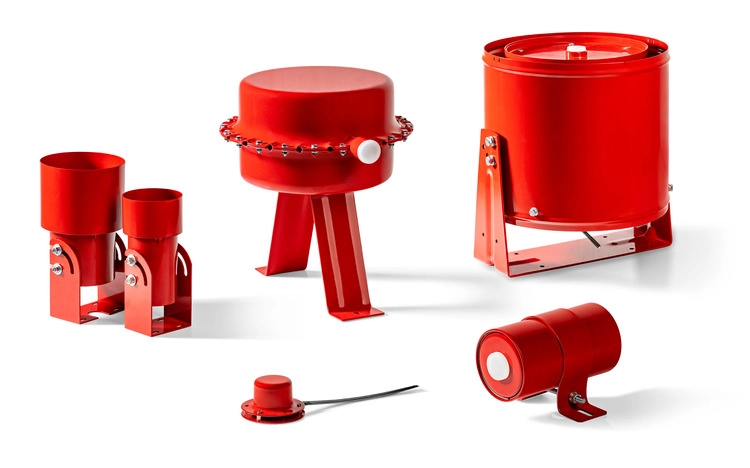
Condensed aerosol fire suppression systems consist of a compact fire suppression unit, with a solid-chemical extinguishing agent that breaks down and releases once the system is activated. This acts to extinguish fires on a molecular level, preventing the combustion chemical chain reaction.
Aerosol suppression systems offer a non-toxic, environmentally friendly suppression solution. With no need for piping, nozzles or pumps, aerosol suppression systems can be a space-saving, cost-effective fire safety solution.
Request a Quote Today!
How do they work?
Aerosol fire suppression systems contain a solid chemical compound extinguishing agent, which breaks down and releases once the system is activated.
Once activated, the extinguishing agent disrupts the fire’s chemical chain reaction by removing the oxidants from the burning process. This works to extinguish the fire both chemically and physically.
The resulting endothermic reaction also draws heat away from the burning process, reducing the chance of reignition at the site.
Aerosol suppression systems are automatically activated using a heat activation cable. For larger-scale installations, where the system is integrated with a control panel and energy source, you can also manually activate the system using the control panel.

Where are aerosol suppression systems most effective?
Aerosol fire suppression systems are most effective when used in a sealed space, as the gas extinguisher it disperses won’t be disrupted by artificial ventilation.
- CNC machines: in production lines, CNC machines create unique fire risks, as the parts are constantly moving. This process is supported by an oil lubricant, meaning that, should ignition take place, the machine fills with oily air. An aerosol suppression system prevents this air from burning, extinguishing the fire and preventing reignition.
- Electric vehicles: li-ion batteries that are used in EVs or HEVs can be especially dangerous should they catch fire. When alight, batteries can enter a state called ‘thermal runaway’ where the battery cells can produce their own oxygen source – burning from the inside – making suppression challenging. Aerosol systems prevent the flame from escaping the battery, containing any damage to within the battery cells, preventing fire spread.
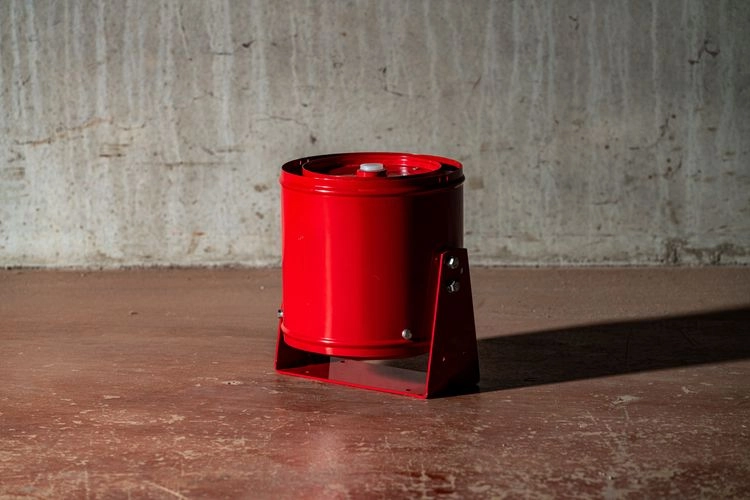
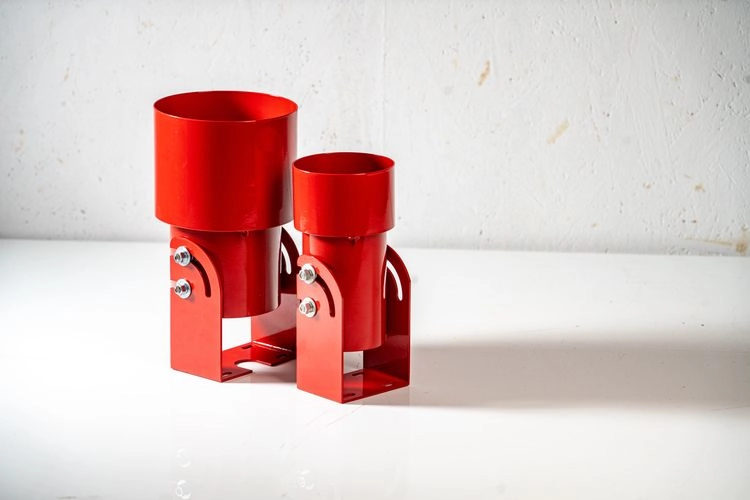
- Power generation and storage: due to the nature of burning electronics, aerosol systems can be very effective in extinguishing electrical fires. Additionally, the extinguishing agent can continue to ‘hang’ in the air, where there’s no forced ventilation, preventing reignition.
- Server rooms and switch rooms: as above, aerosols can be extremely effective in tackling electrical fires. They can also be fitted into these environments quickly and easily due to their small and compact nature.
- Maritime and offshore industries: aerosols can be used to protect large diesel generators and generator rooms, providing efficient, compact fire suppression.
- Warehouses and storage: in large areas, aerosol systems will discharge the extinguishing agent to fill an entire room or area with a flooding method. Aerosols also require minimal clean up, as you can simply ventilate the area following activation.
Your suppression system should be guided by your site’s individual risks to ensure it remains as effective as possible.

FAQs
For any further information, please see our list of fire detection systems frequently asked questions in our collapsable menu below:
Q1: What is an aerosol fire suppression system and how does it work?Aerosol systems use a solid-chemical “generator” mounted in the hazard area. When triggered by heat or smoke detection, the solid compound undergoes an exothermic reaction and releases billions of fine aerosol particles. These particles interrupt the fire’s chemical chain reaction by neutralising free radicals and absorbing heat. The result is rapid extinguishing without using water or compressed gas.
Q2: Is an aerosol system safe for people and electronics?Yes. The aerosol agent is non-toxic and non-corrosive, so it doesn’t harm occupants (though evacuation during discharge is standard) and is safe for most electrical equipment. Unlike CO₂, it does not reduce oxygen levels. The fine residue (potassium salt) settles without acidification, so sensitive gear is usually unharmed (ventilate or clean up dust afterward).
Q3: What fires and applications are aerosol systems suitable for?Aerosol works on common fire classes A, B, C, E and F (wood, liquids, electrical, grease). It is especially effective for electrical fires (switchgear, control panels, EV battery packs) because it suppresses thermal runaway and remains suspended to prevent re-ignition. Typical uses include server rooms, generators, automotive machinery, and confined equipment where space is tight and fast knockdown is needed. It’s generally not used for metal fires (Class D).
Q4: What installations require an aerosol fire suppression system?Aerosol units are ideal where a compact, sealed or semi-sealed enclosure exists: e.g. engine rooms, CNC machine enclosures, electrical cabinets, warehouses, or labs. Because the aerosol floods the entire space, you do not need perfect airtightness – even “leaky” rooms work. Unlike gas systems, no annual room integrity testing or vent ducts are required. Install units near the fire risk and detectors at high points for quickest response.
Q5: How is an aerosol system activated?Most systems use automatic detection: heat/temperature sensors or smoke detectors trigger the aerosol generator. A typical design uses a “double-knock” (smoke and heat) to avoid false alarms. Generators then activate via an electrical signal (or a thermal link/fuse in smaller units). Some systems also allow manual release from a control panel. No pressurised gas or bulky valves are needed; the solid generator simply ignites internally on command.